Introduction
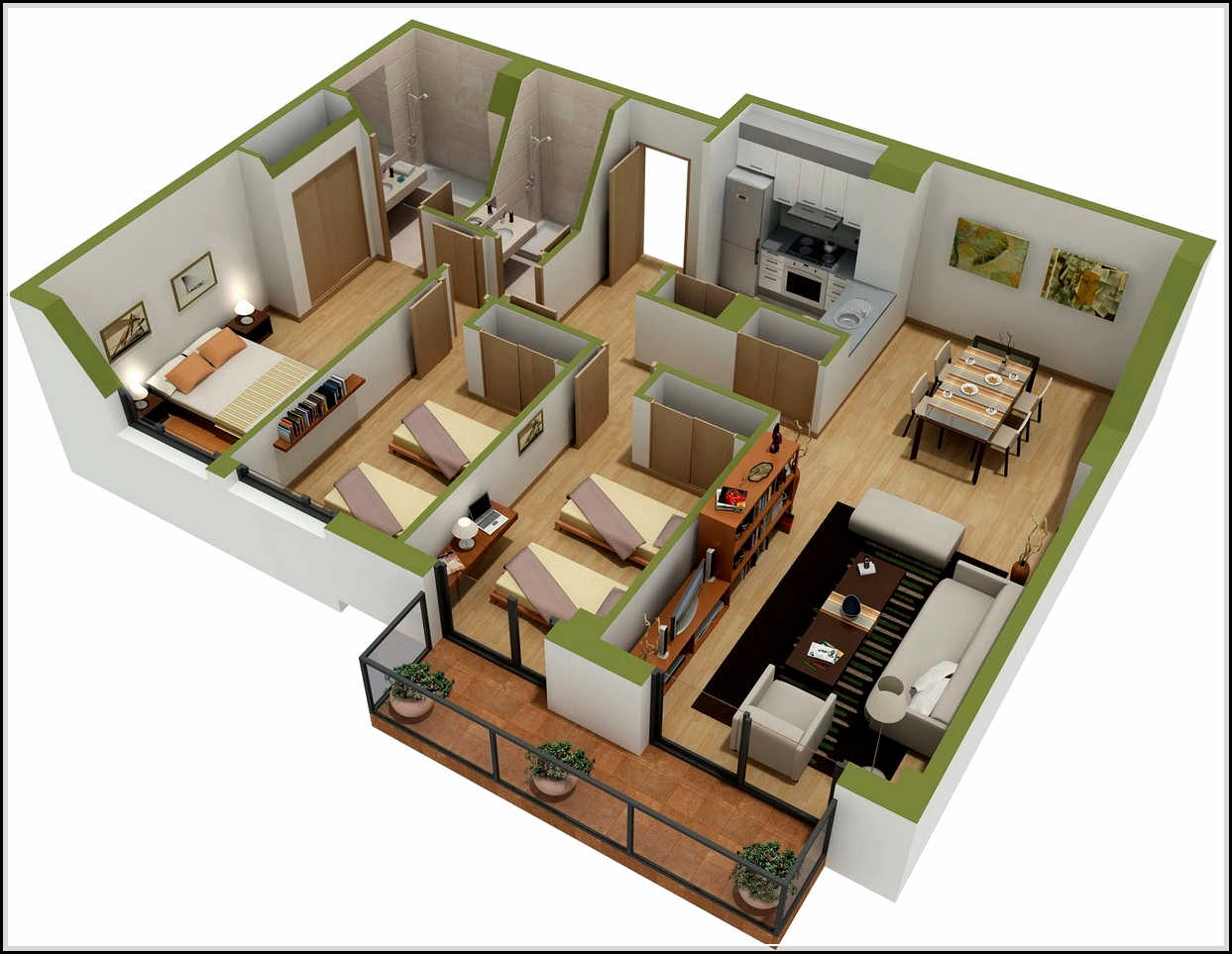
When it comes to designing a home, one of the most crucial aspects to consider is the layout. The layout of a house determines how the space is utilized and organized, ultimately affecting the functionality and flow of the living area. Whether you are planning to build a new house or renovate an existing one, understanding different house layouts can help you make informed decisions. In this article, we will explore various house layouts and their key features to assist you in creating your dream home.

Open Floor Plan
The open floor plan is a popular layout choice for modern homes. It involves removing walls that traditionally separate different rooms, such as the living room, dining room, and kitchen, to create a larger and more interconnected space. This layout promotes a sense of spaciousness, natural light, and easy movement throughout the house. It is ideal for those who enjoy hosting gatherings and prefer a more social and inclusive living environment.

Traditional Floor Plan
The traditional floor plan follows a more conventional approach, with distinct rooms separated by walls and doors. It typically includes a formal living room, dining room, kitchen, and individual bedrooms. This layout offers privacy and defined spaces for specific activities. Traditional floor plans are suitable for those who prefer a more structured and compartmentalized living style.

Ranch Style
The ranch-style house layout is characterized by its single-story design and open concept. It typically features a long, rectangular shape with a low-pitched roof and a spacious interior. The bedrooms are usually located on one side of the house, while the living areas, such as the living room, dining room, and kitchen, are on the other. Ranch-style layouts are popular for their simplicity, easy accessibility, and seamless integration with outdoor spaces.

Split-Level
A split-level house layout incorporates multiple floors, each separated by a short flight of stairs. It often includes a sunken living room, raised dining area, and bedrooms on different levels. This design adds visual interest and creates distinct zones within the home. Split-level layouts are suitable for uneven terrain and can provide a unique and dynamic living experience.

Modern Minimalist
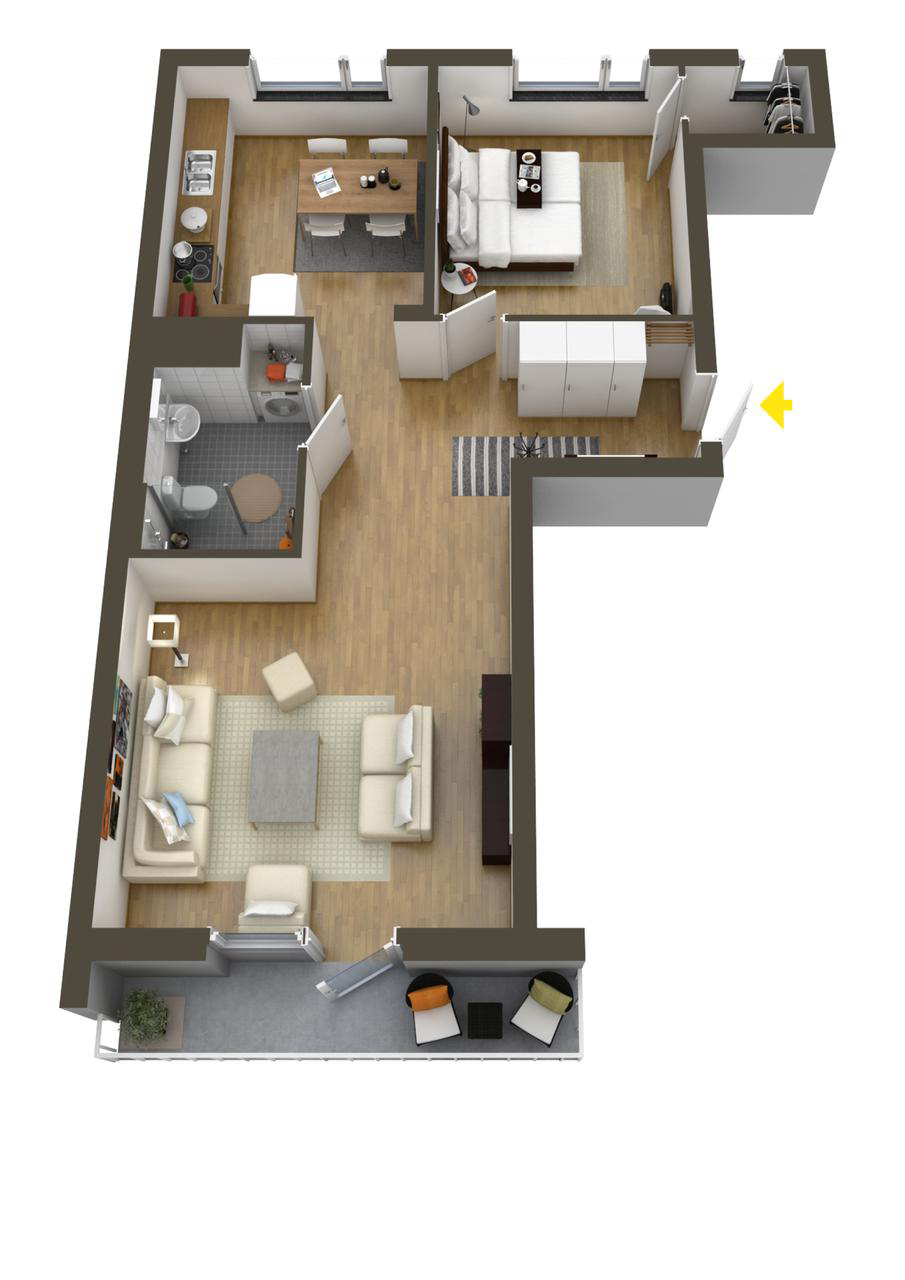
The modern minimalist house layout emphasizes simplicity, clean lines, and a clutter-free environment. It often features an open floor plan with minimal furniture and decorative elements. This design focuses on functionality and relies on natural light to create a sense of spaciousness. Modern minimalist layouts are perfect for individuals who prefer a sleek and uncluttered living space.
Victorian Style
The Victorian-style house layout takes inspiration from the architecture popular during the Victorian era. It is characterized by intricate detailing, ornate decorations, and multiple rooms with various functions. Victorian layouts often include formal parlors, libraries, and grand staircases. This design exudes elegance and nostalgia, making it a preferred choice for those who appreciate classic and vintage aesthetics.

Conclusion
Choosing the right house layout is essential to create a comfortable and functional living space. Whether you prefer an open floor plan for a more social environment or a traditional layout for defined spaces, understanding the various options available can help you make informed decisions. Consider your lifestyle, preferences, and the overall aesthetic you desire for your home. By selecting the perfect house layout, you can design a space that perfectly suits your needs and reflects your personal style.
